


English
 Intent:
At St Paul’s Way Primary School, we recognise the importance of studying English. Improved performance in reading, writing, and spoken language will enable our pupils to express their thoughts and ideas more fluently, accurately, and, ultimately, to their greater satisfaction. This will also help them to deal more successfully with other curriculum subjects while enriching their lives beyond school. The teaching and learning of language skills are, therefore, given a high priority in our school. Our overarching aim for English is to promote high standards of language by equipping pupils with a strong command of the spoken and written word and to develop their love of literature through widespread reading for enjoyment.
We aim for our pupils to:
- Write easily, fluently and with good understanding
- Understand the audience, purpose and features of writing
- Write for a range of purposes and audiences
- Develop the habit of reading widely and often, for both pleasure and information and use this to inform and influence their writing
- Acquire a wide vocabulary, an understanding of grammar and knowledge of linguistic conventions for reading, writing and spoken language
- Appreciate our rich and varied literary heritage and use this to inform their writing
- Write clearly, accurately and coherently, adapting their language and style in and for a range of contexts, purposes and audiences
Core Texts
Nursery
|
Autumn 1 All About Me |
Autumn 2 Communities and Celebrations |
Spring 1 Journeys and Adventures |
Spring 2 Amazing Animals |
Summer 1 Growing and Food |
Summer 2 Let's Imagine |
|---|---|---|---|---|---|
|
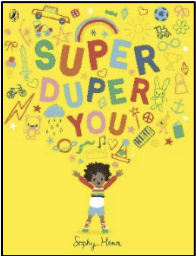
Super Duper You
|
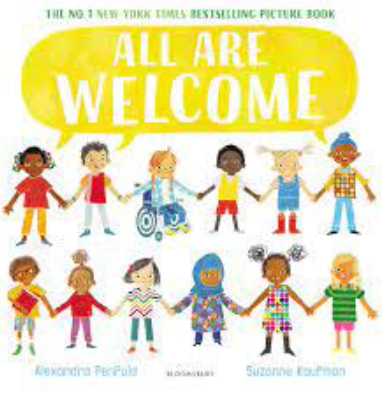
All are welcome
|
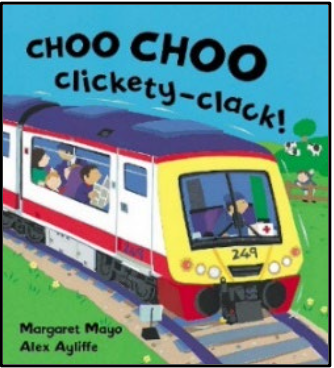
Choo Choo Clickety Clack!
|
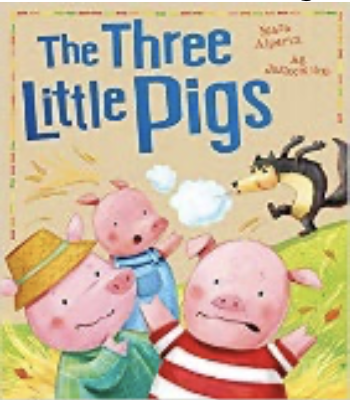
The Three Little Pigs
|
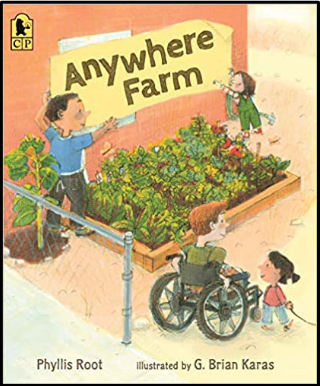
Anywhere Farm
|
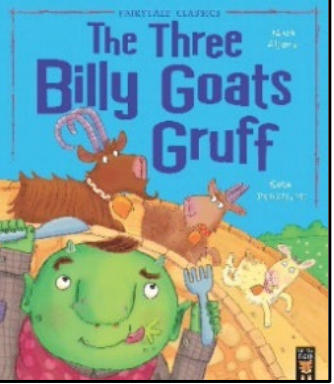
Three Billy Goats Gruff
|
|
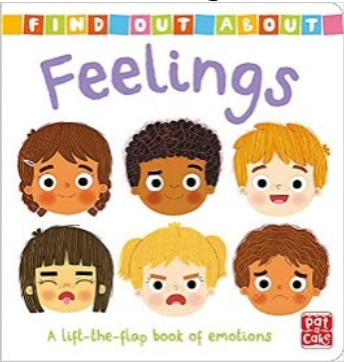
Feelings
|
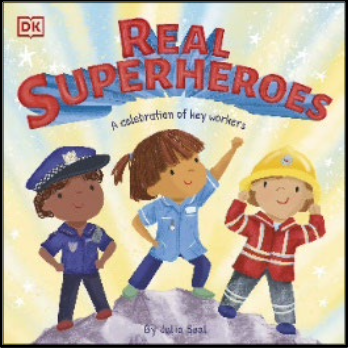
Real Superheroes
|
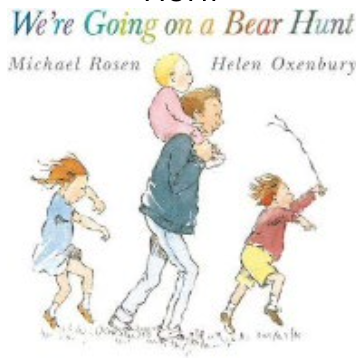
We’re Going On a Bear Hunt
|
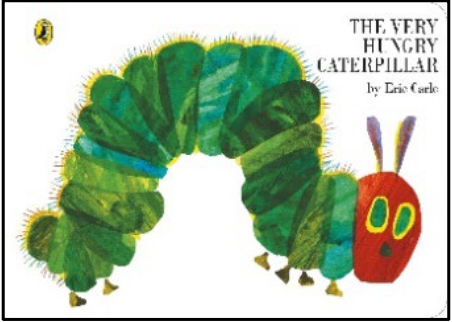
The Very Hungry Caterpillar
|
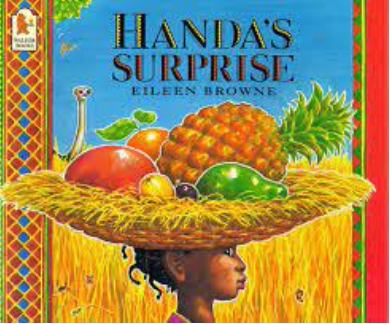
Handa’s Surprise
|
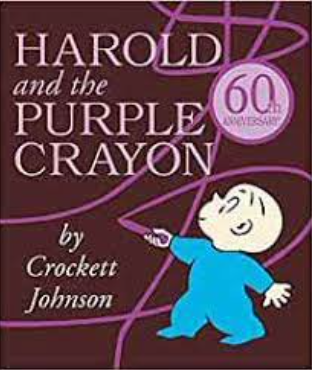
Harold’s Crayon
|
|
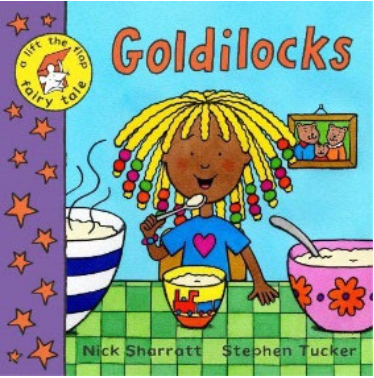
Goldilocks
|
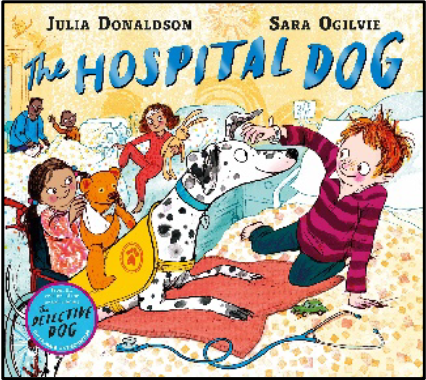
The Hospital Dog
|
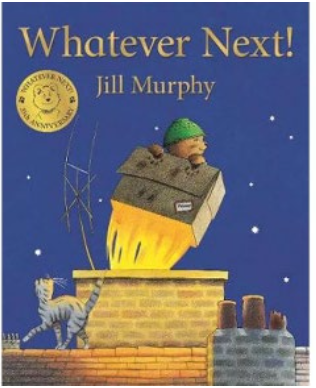
Whatever Next
|
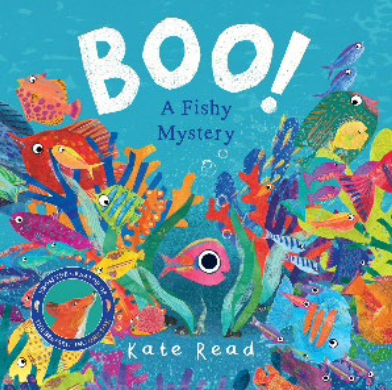
Boo! A Fishy Mystery
|
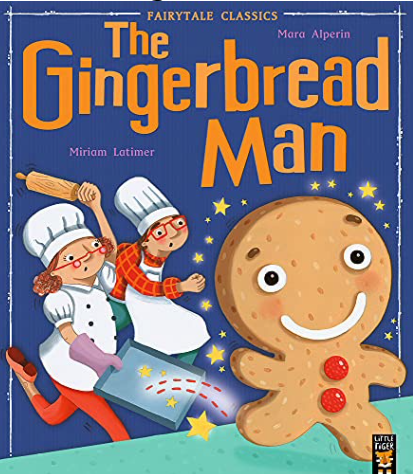
The Gingerbread Man
|
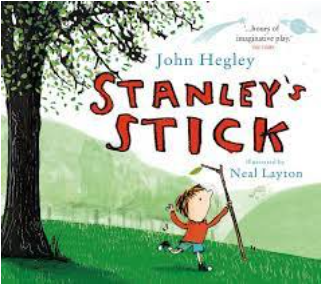
Stanley’s Stick
|
Reception
|
Autumn 1 All About Me! |
Autumn 2 Communities and Celebrations |
Spring 1 Journeys and Adventures |
Spring 2 Amazing Animals |
Summer 1 Growing and Food |
Summer 2 Let's Imagine |
|---|---|---|---|---|---|
|
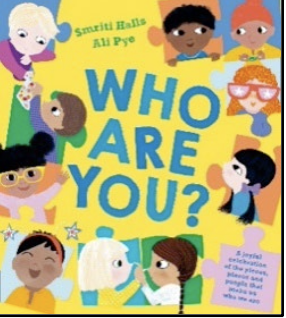
Who are you
|
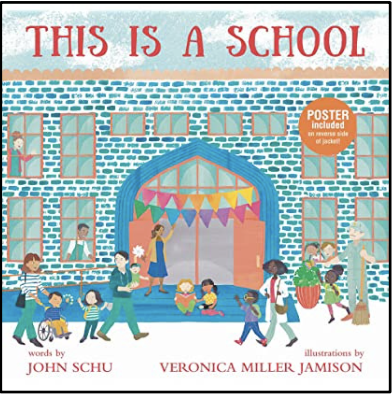
This is a school
|
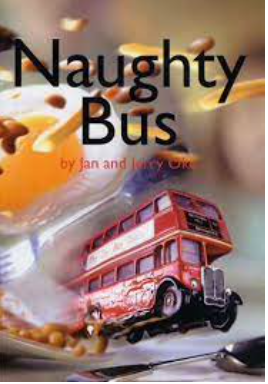
Naughty Bus
|
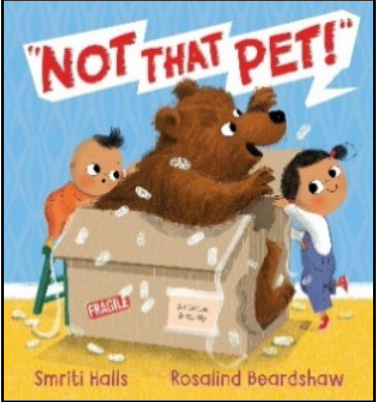
Not That Pet
|
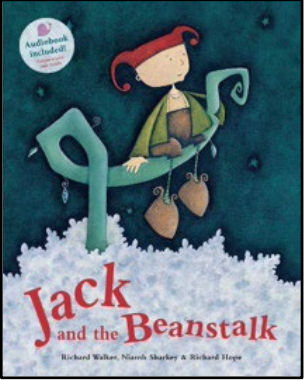
Jack and the Beanstalk
|
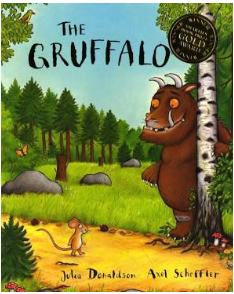
The Gruffalo
|
|
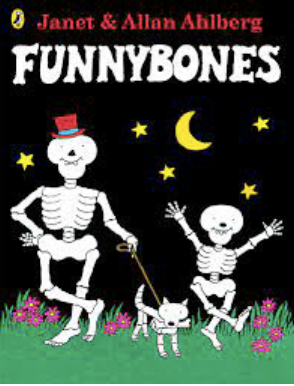
Funny Bones
|
When you’re fast asleep
|
Mr Gumpy’s Outing
|
Rose Explores Life Cycles
|
Errol’s Garden
|
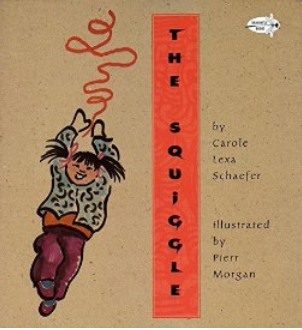
The Squiggle
|
|
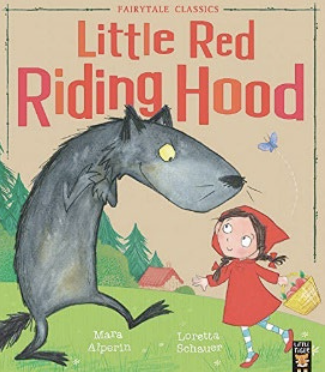
Little Red Riding Hood
|
Let's Celebrate
|
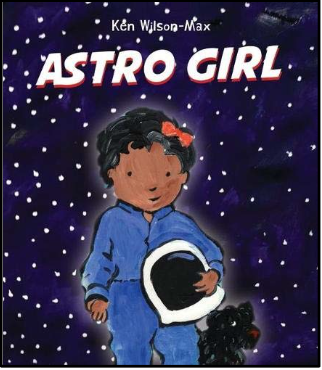
Astro Girl
|
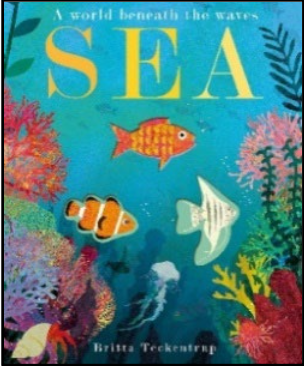
Sea
|
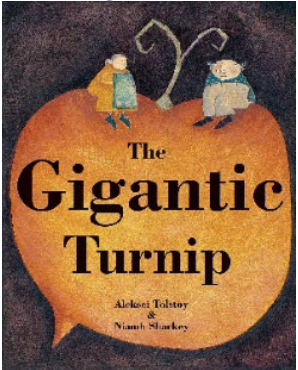
The Gigantic Turnip
|
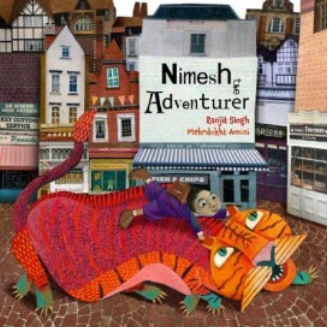
Nimesh the Adventurer
|
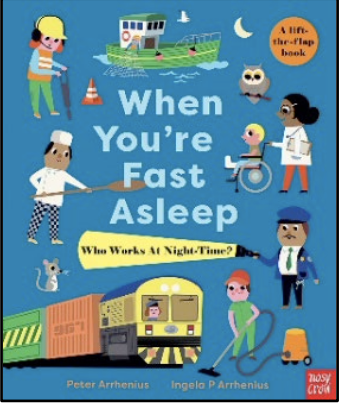
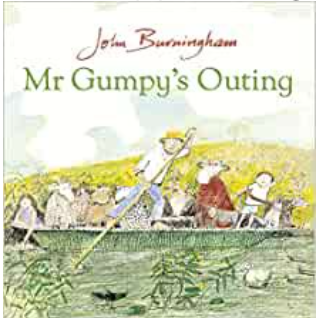
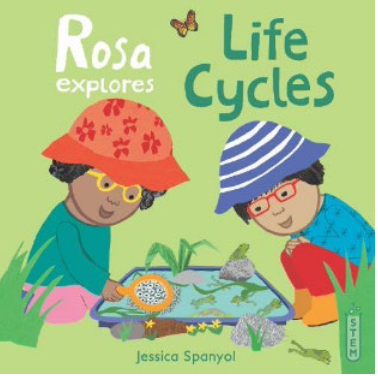
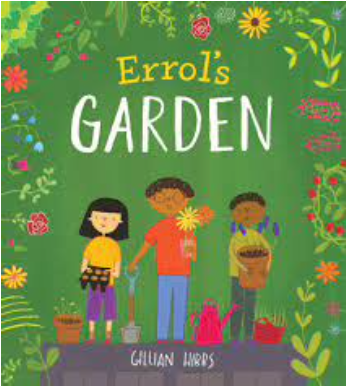
Year 1
| Autumn 1
Toys and Animals |
Autumn 2 and Spring 1 I Live In London! |
Spring 2 Explorers |
Summer 1 and Summer 2 Where In The World? |
||
|---|---|---|---|---|---|
|
Martha Maps it Out
|
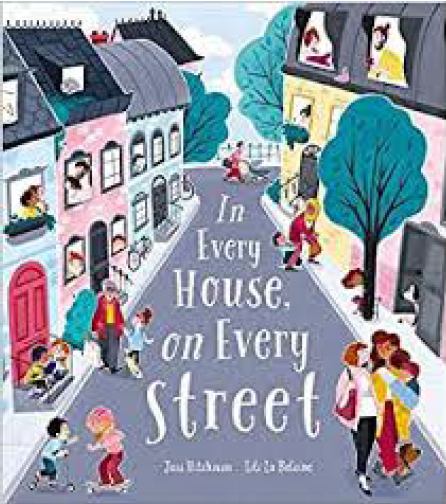
In Every House, On Every Street
|
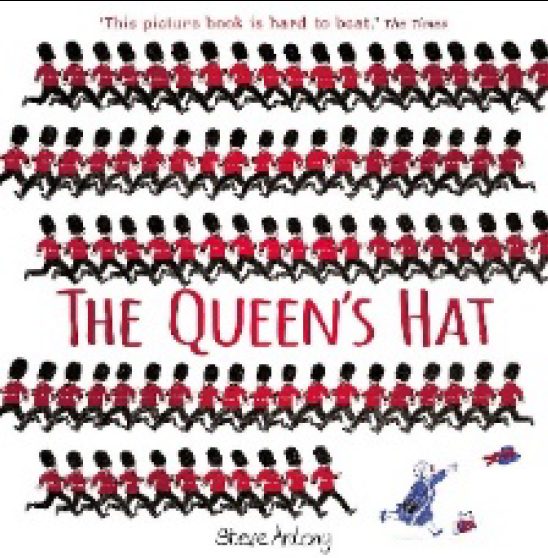
The Queen’s Hat
|
Beegu
|
Imelda and the Goblin King
|
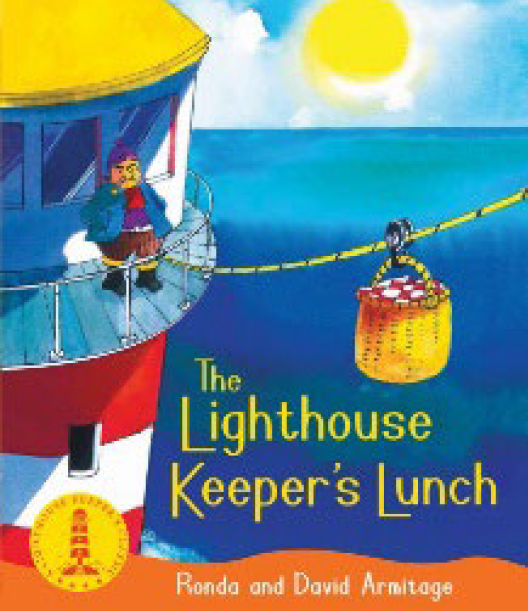
The Lighthouse Keeper’s Lunch |
|
The Lost Property Office
|
Thank you, Omu
|
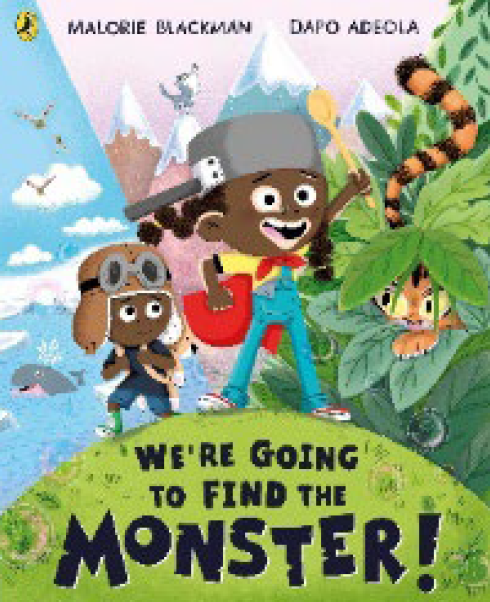
We’re Going to Find the Monster!
|
Julia Donaldson: Poems to Perform
|
Goblins and How to Trap Them
|
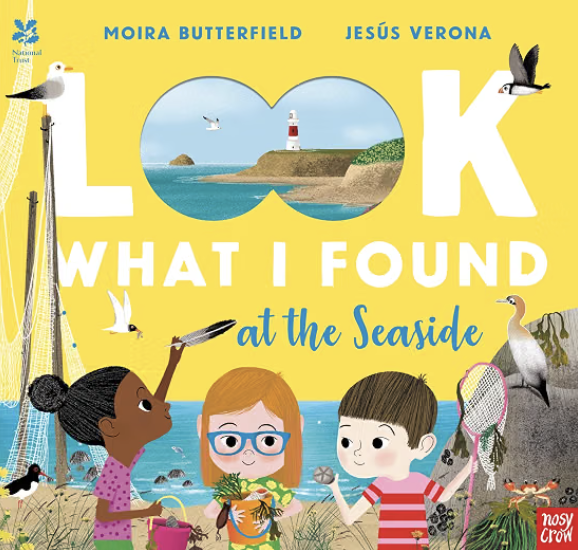
Look What I Saw at the Seaside
|
|
The Little Red Hen
|
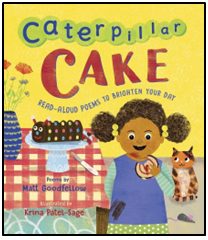
Caterpillar Cake
|
The Grotlyn
|
|||
.png)
.png)

Year 2
|
Autumn 1 Voyages |
Autumn 2 Fire, Fire! |
Spring 1 Building and Beasts |
Spring 2 World Adventure |
Summer 1 World Adventure (Continued) |
Summer 2 Nurses and Bodies |
|---|---|---|---|---|---|
|
The Crow's Tale
|
Mary and the Great Fire of London
|
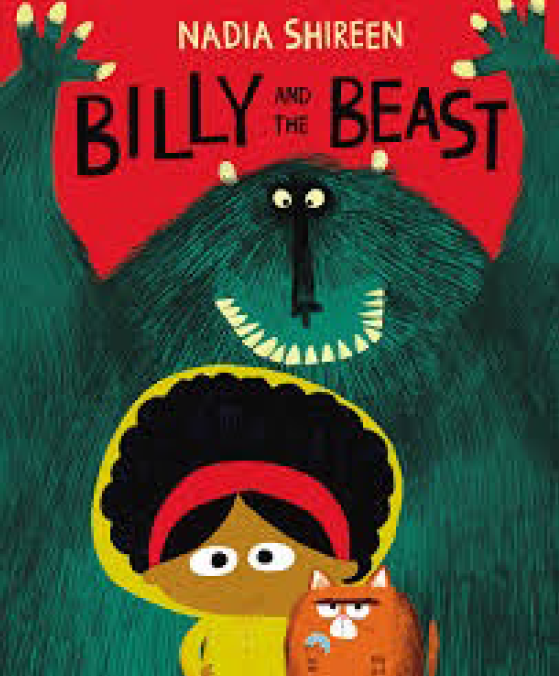
Billy and the Beast
|
The Lonely Beast
|
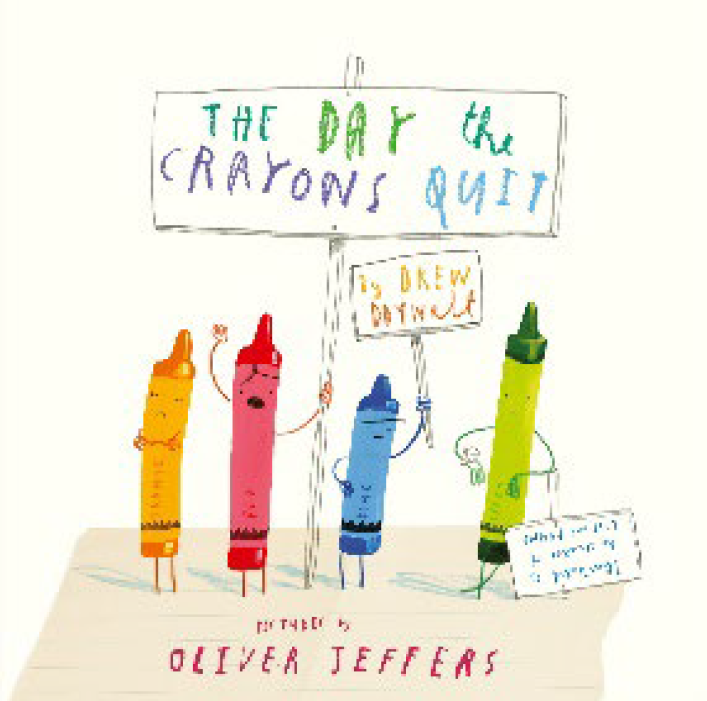
The Day the Crayons Quit
|
Stop! That's Not My Story
|
|
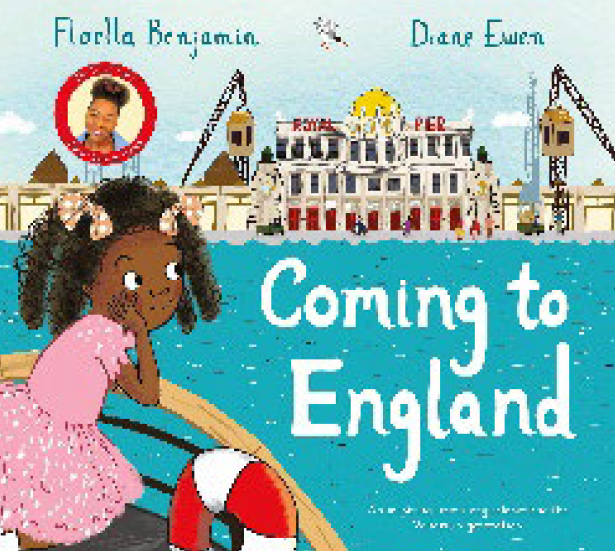
Coming to England
|
Mary and the Great Fire of London
|
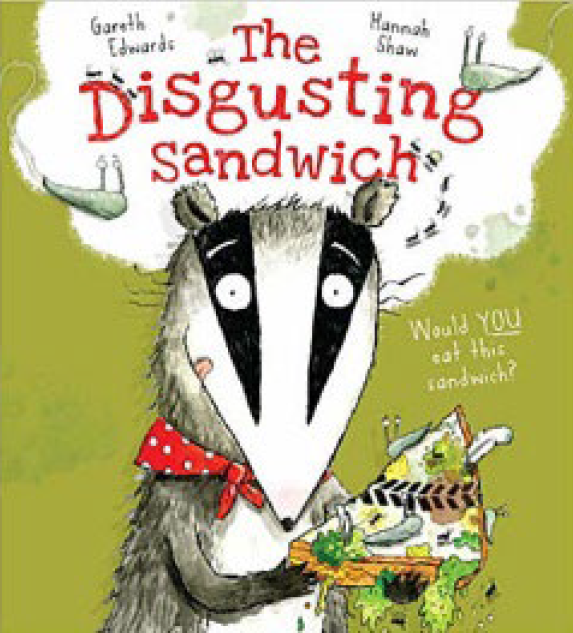
The Disgusting Sandwich
|
The Magic Paintbrush
|
The Proudest Blue
|
|
|
A Dinosaur at the Bus Stop
|
|
Trip to Museum Recount
|







Year 3
|
Autumn 1 The Stone Age |
Autumn 2 The Romans |
Spring 1 Cities & Urban Areas |
Spring 2 Rocks, Soils and Fossils |
Summer 1 Plants & Gardens |
Summer 2 We Are Astronauts |
|---|---|---|---|---|---|
| Clerihews
|
Escape from Pompeii
|
My Life as a Goldfish
|
Stone Girl, Bone Girl
|
Stories from India
|
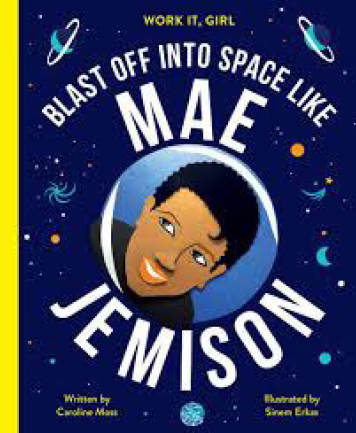
Blast off into Space with Mae Jemison
|
The Stone Age Boy |
The Iron Man |
A Rock is Lively
|
Masala Chai
|
Here We Are
|




Year 4
|
Autumn 1 The Anglo Saxons |
Autumn 2 The Vikings |
Spring 1 A Walk In Paris |
Spring 2 The Water Cycle |
Summer 1 and Summer 2 World War 2 |
||
|---|---|---|---|---|---|---|
King Arthur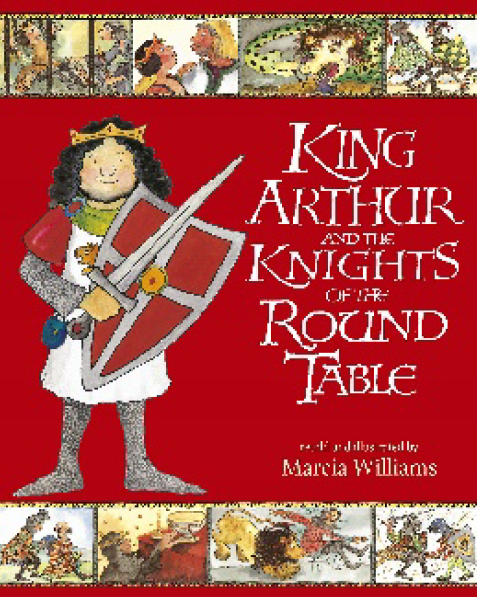 |
Varjak Paw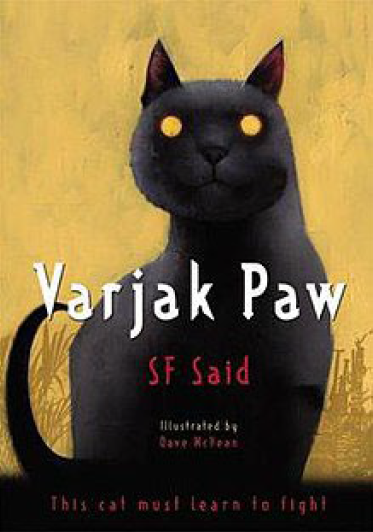 |
A Walk in Paris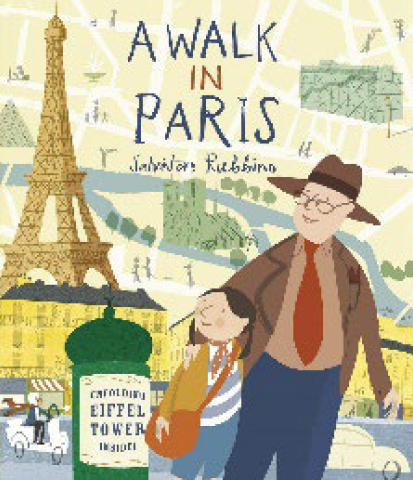 |
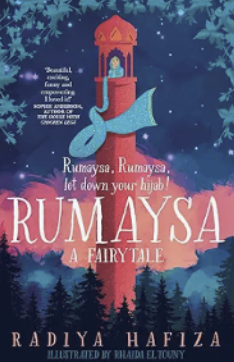
Rumaysa
|
Once Upon a Raindrop: The Water Cycle
|
Friend or Foe
|
|
|
Kenning Poetry
|
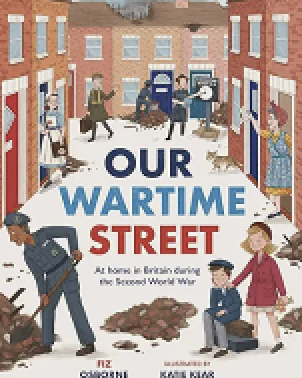
Our Wartime Street
|
Free Verse Poetry
|
||||



Year 5
|
Autumn 1 The Shang Dynasty |
Autumn 2 The Ancient Egyptians |
Spring 1 Rivers |
Spring 2 Brazil |
Summer 1 Cities and their Challenges |
Summer 2 Early Islamic Society: Baghdad |
|---|---|---|---|---|---|
|
Senryu Poetry
|
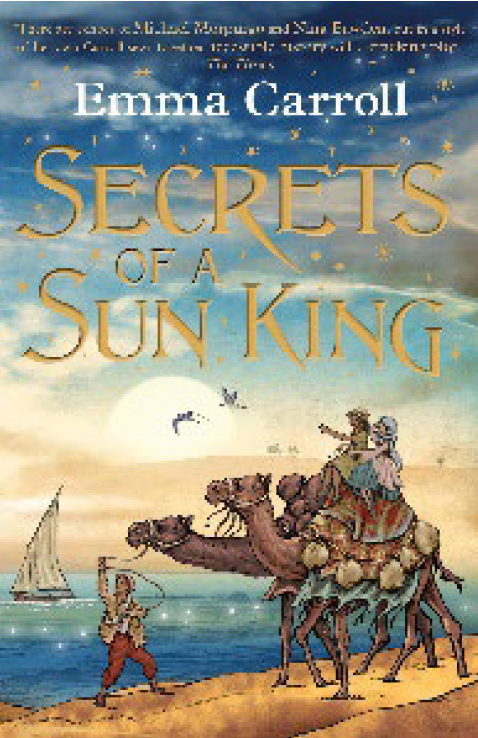
Secrets of A Sun King
|
I Talk Like a River
|
The Explorer
|
Varmints
|
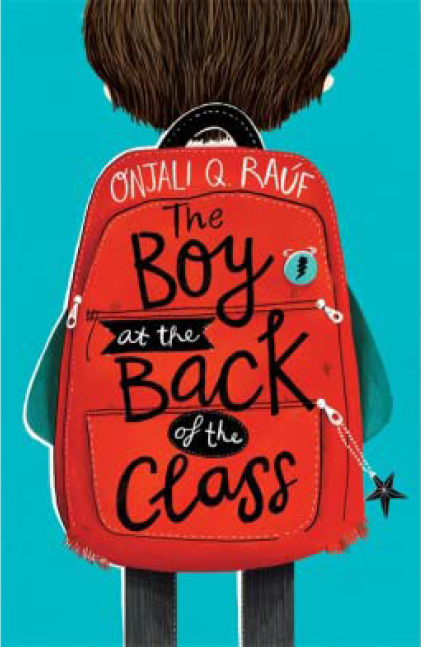
The Boy at the Back of the Class
|
|
Hidden Figures
|




Year 6
|
Autumn 1 The Ancient Greeks |
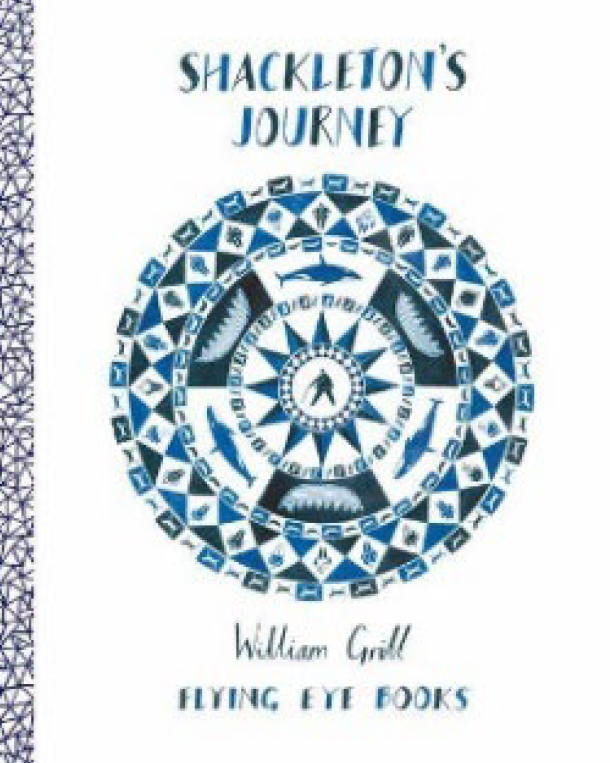
Autumn 2 Shackleton's Journey |
Spring 1 Mountains, Volcanoes and Earthquakes |
Spring 2 Migration and Journeys |
Summer 1 Evolution and Discovery |
Summer 2 Fieldwork and Fossils |
|---|---|---|---|---|---|
|
King Midas and the Golden Touch
|
Shakleton’s Journey
|
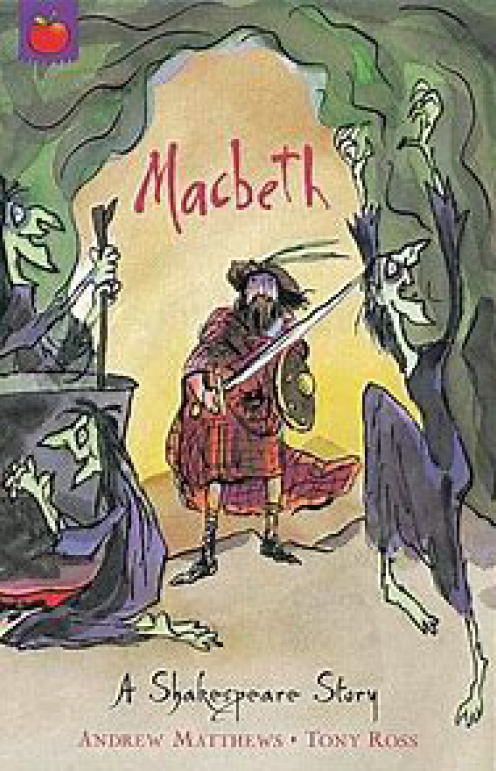
Shakespeare’s Macbeth
|
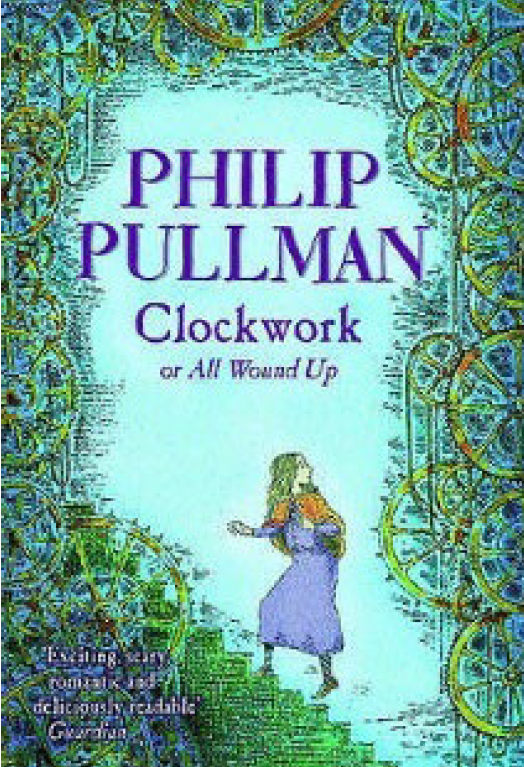
Clockwork
|
Broken: Rock, Paper, Scissors (animation)
|
Y6 Production: Extracts from
|
|
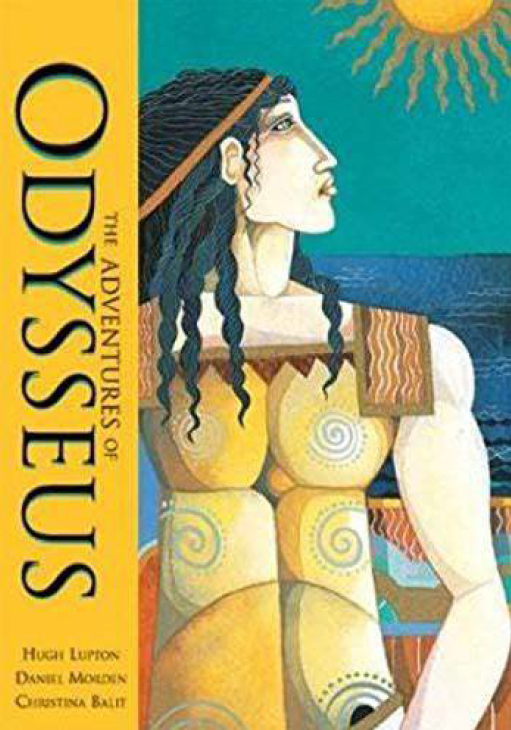
Odysseus
|
Plastic Pollution
|
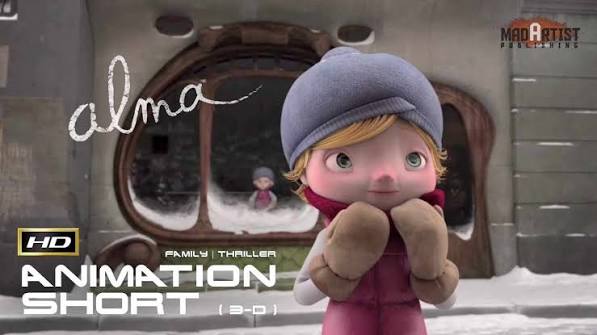
Alma (animation)
|
|||
|
Y6 Production: Extracts from
|
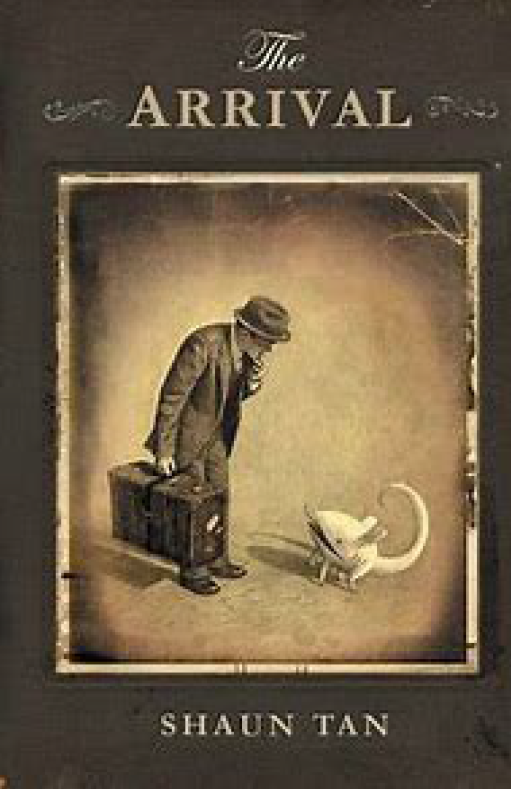
The Arrival
|
 or
or 

Coverage of Non-Fiction Text Types
|
|
Autumn 1 |
Autumn 2 |
Spring 1 |
Spring 2 |
Summer 1 |
Summer 2 |
|---|---|---|---|---|---|---|
|
Year 2 |
Recount |
Instructions |
Recount |
Recount |
Recount Non-chronological report |
Non-Chronological Reports |
|
Year 3 |
Non-Chronological Reports |
Persuasion |
Recount (newspaper report) |
Non-Chronological Reports |
Instructions |
Biography |
|
Year 4 |
Non-Chronological Reports |
Explanation |
Recount – Newspaper |
Persuasive travel brochures |
Instructions |
Ration Recipes & Propaganda |
|
Year 5 |
Biography |
Non-chronological report |
Persuasion |
Discussion text |
Persuasion |
Newspaper report |
|
Year 6 |
Newspaper Report |
Explanation |
Biography |
Newspaper Article Instructions |
Biography |
Non-Chronological Reports |
English Implementation:
 At SPWPS, we follow the Read, Write, Inc. phonics programme in the EYFS and Year 1. Children in these year groups also have weekly ‘Big Write’ lessons. By Year 2, many pupils are ready to progress onto our SPWP English curriculum. At SPWP we have designed a unique English Curriculum using a wide range of diverse texts specifically chosen to provide high-quality language and writing models. Texts are selected to link with other areas of the curriculum and to ensure children read texts in a range of genres and styles. Our curriculum teaches children to read and write both for enjoyment, and for real audiences and purpose. We aim to develop pupils who see themselves as authors and communicators, fostering motivation, creativity and pride in their written work. As well as high-quality English lessons, children have regular Reading, Spelling, and Handwriting lessons, in line with our Progression Map for the ‘transcription’ skills.
We recognise that fluent writing depends upon automatic transcription skills. Therefore, spelling, handwriting and sentence construction are taught explicitly and progressively so that pupils can devote their cognitive effort to composition and communicating meaning.
In English lessons, pupils are given regular opportunities to orally rehearse ideas, sentences and vocabulary before writing. Structured talk, discussion and oracy strategies support pupils in developing confidence, refining language choices and composing increasingly sophisticated written outcomes
Grammar and punctuation are taught within the context of authentic reading and writing. Teachers provide explicit sentence-level instruction so that pupils learn how grammatical choices shape meaning and effect
Across the curriculum, pupils are taught an age-appropriate writing process, including planning, oral rehearsal, drafting, revising, editing and publishing. Teachers model each stage explicitly to support pupils in becoming independent and reflective writers
Our approach to English and writing is inclusive of all learners, with strategies designed to support students with diverse abilities and backgrounds. Teachers are required to adapt the English schemes of work based on their pupils' needs and include scaffold and challenge strategies. These strategies include the use of a range of scaffold materials (widget symbols, stem sentences, writing frames, colourful semantics), pre-teach, 1:1 interventions, and writing conferences.
At SPWP we invest in ongoing professional development for our staff, equipping them with the latest strategies and resources to deliver effective writing and English instruction. Teachers receive training on effective modelling, scaffolding, formative assessment, and explicit teaching of vocabulary. Moreover, all teachers have the opportunity to engage in internal and external writing moderation. This ensures that all teachers receive training in assessing their pupils’ writing effectively and this helps in aligning the assessment of writing with the school’s curriculum and educational goals, ensuring that the curriculum’s objectives are met.
We implement a range of formative assessment strategies (use of mini-whiteboards, Think-Pair-Share and open-ended questioning), to monitor pupil progress and provide timely, constructive feedback to support growth and ensure each pupil reaches their full potential in English and writing. We prioritise ongoing assessment to track individual progress and adapt the learning accordingly.
At SPWP we leverage technology to enhance writing and English skills, integrating animation units in our schemes of work and providing access to online resources for research and reading.
We promote English skills across all subjects recognising that strong reading and writing abilities are fundamental to success in every area of learning. We have established the teaching of Tier 2 and Tier 3 vocabulary in every subject and we deliver interventions to develop the understanding of new vocabulary.
At SPWP we continuously evaluate and enhance our English Schemes of work to ensure alignment with national standards and a comprehensive focus on various genres and writing styles. We utilise data to identify areas for improvement, regularly assessing the impact of our English and writing initiatives and making adjustments as needed. We also work closely with partnerships with local organisations and experts (Oracy Hub and THEP Partnership) in the field of English and writing that support us in enriching our programs and providing unique opportunities for all pupils.
English Impact:
At SPWP, pupils:
- Write with increasing fluency, accuracy and independence.
- Use ambitious vocabulary across the curriculum.
- Demonstrate secure knowledge of spelling, grammar and punctuation.
- Adapt their writing for different audiences, purposes and contexts.
- Draw upon a rich repertoire of high-quality texts and authors.
- Speak confidently about their writing and evaluate their own progress.
- Achieve outcomes that prepare them successfully for the next stage of education.